
[
FIELD NOTES
]
The Aesthetics of Decay
Why we should embrace the "lived-in" architectural lifecycle
The Sterile Trap
In our pursuit of the perfect, modular wardrobe, we often fall into the trap of aesthetic sterility. We curate pieces for their crispness, their structural integrity, and their technical specs. Yet, a system that remains static—that never shows the friction of being used—is not a functioning wardrobe; it is a museum display.
The Patina of Utility
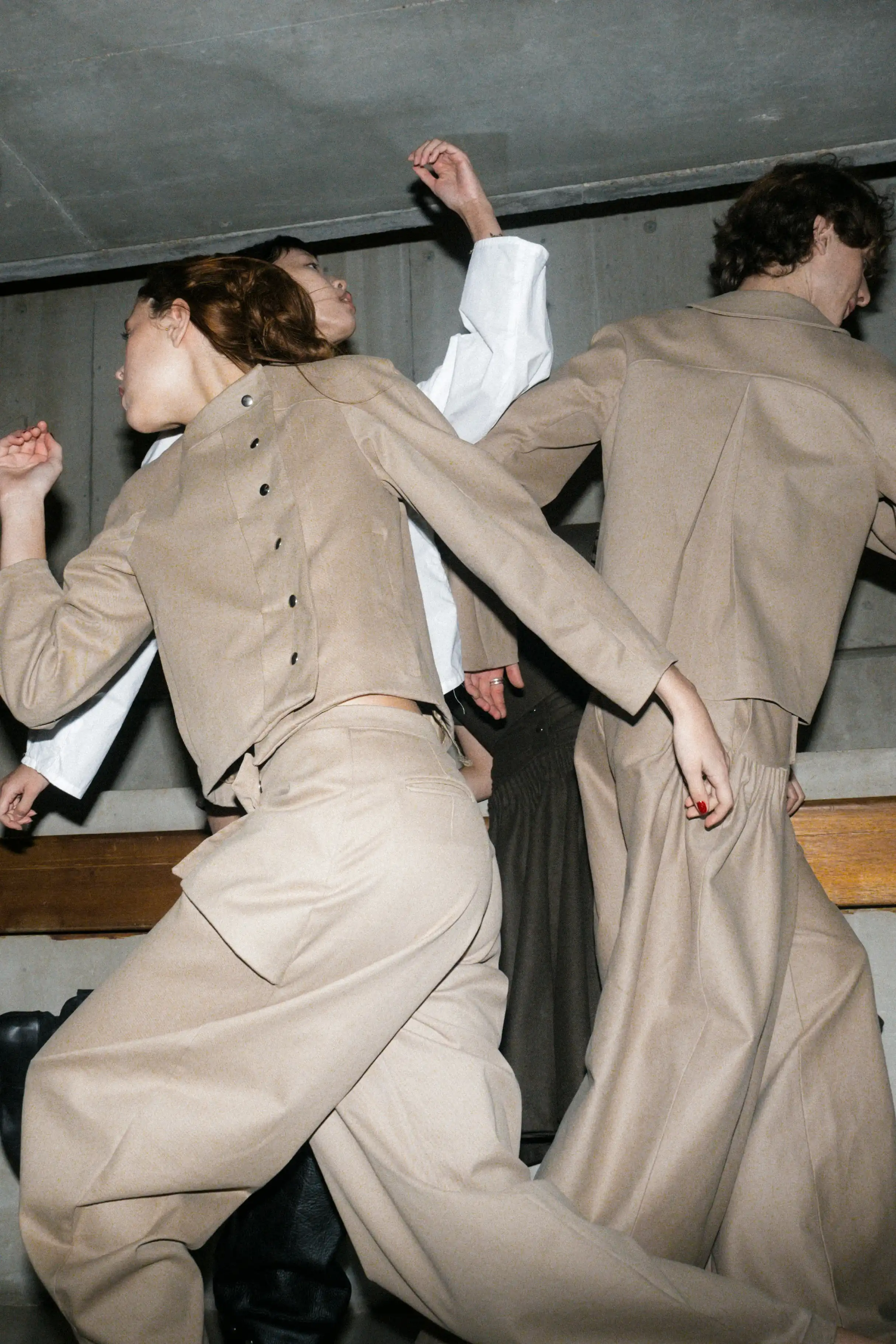
True "Material Integrity" is not just about the state of the garment at the point of manufacture; it is about how the material reacts to the human environment over time. Consider the "messy editorial" look we often reference in design: it is the visual equivalent of an object that has been through the cycle.
A natural fiber like linen or raw denim does not degrade in the traditional sense; it evolves. The microscopic breaks in the thread, the subtle fading of a plant-based dye, and the softening of a high-GSM cotton canvas are not failures of the system. They are the metadata of the garment's experience.
Engineering the "Scrumple"
When we design for a circular wardrobe, we must design for the "scrumple." This is the intentional inclusion of textures and silhouettes that are meant to be handled, folded, and worn-in.
The Stress Point: We reinforce the areas where high-use wear naturally occurs.
The Visual Record: We select fabrics that show their age with grace—materials that, when they wrinkle or fade, create a more complex visual texture rather than simply appearing "worn out."
The Philosophy of the "Last Mile"
There is a profound difference between a garment that is discarded because it has lost its shape and one that is retired because it has reached the end of its structural life. When we embrace the aesthetic of the "lived-in," we extend the emotional attachment to the piece. If you appreciate the way a fabric changes with your body, you are significantly less likely to replace it.
Designing for the Inevitable
By acknowledging that every garment will eventually show signs of its history, we design more thoughtfully. We choose stitches that allow for repair. We select dyes that fade into secondary, equally beautiful tones. We stop trying to freeze our wardrobe in a state of eternal newness and start designing for the beauty of the full lifecycle.
A circular wardrobe is not about perfection. It is about a disciplined, high-fidelity relationship with the objects we inhabit. Let the clothes show their work.